Desde Lejos
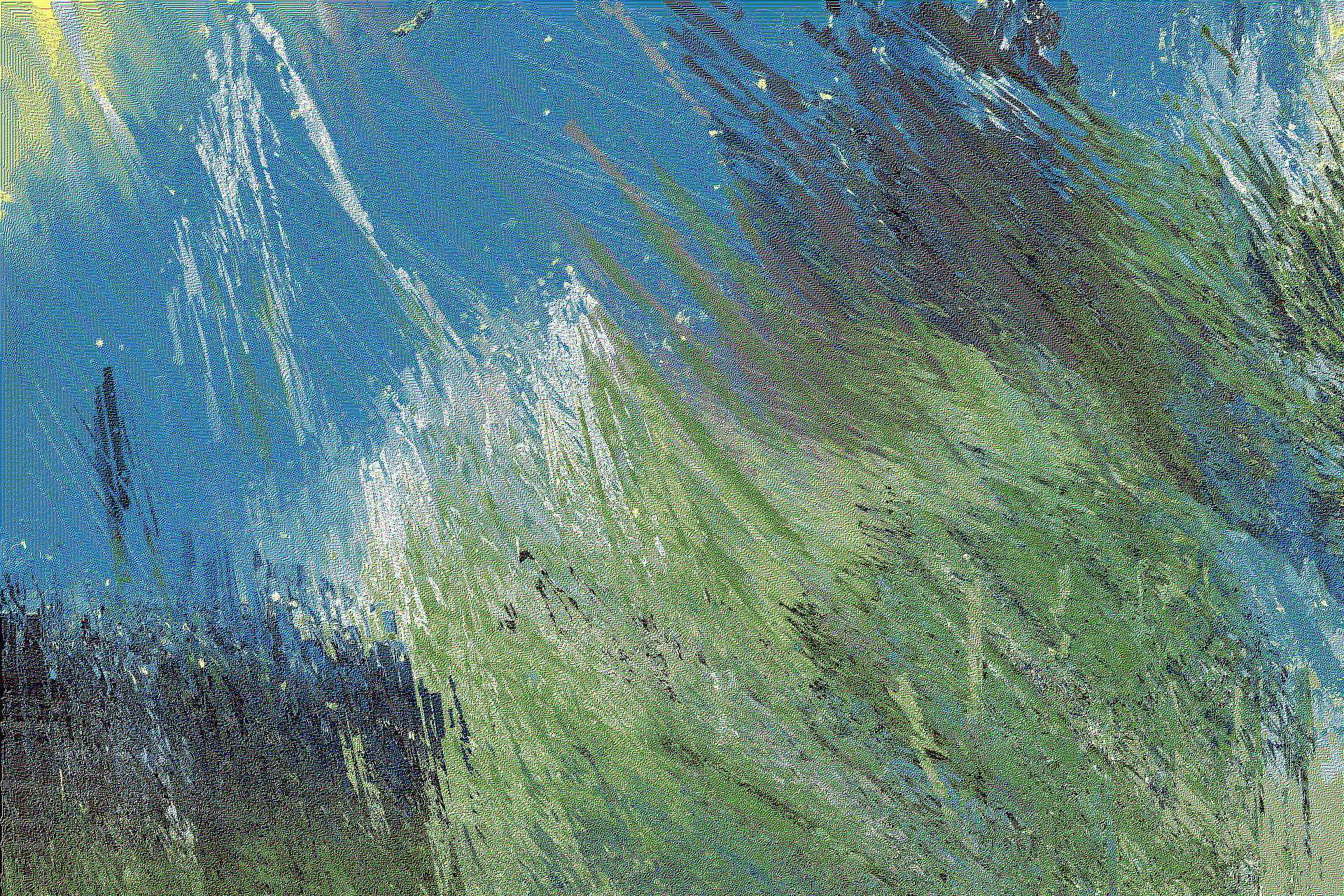
Desde Lejos, 2023. Generative output.
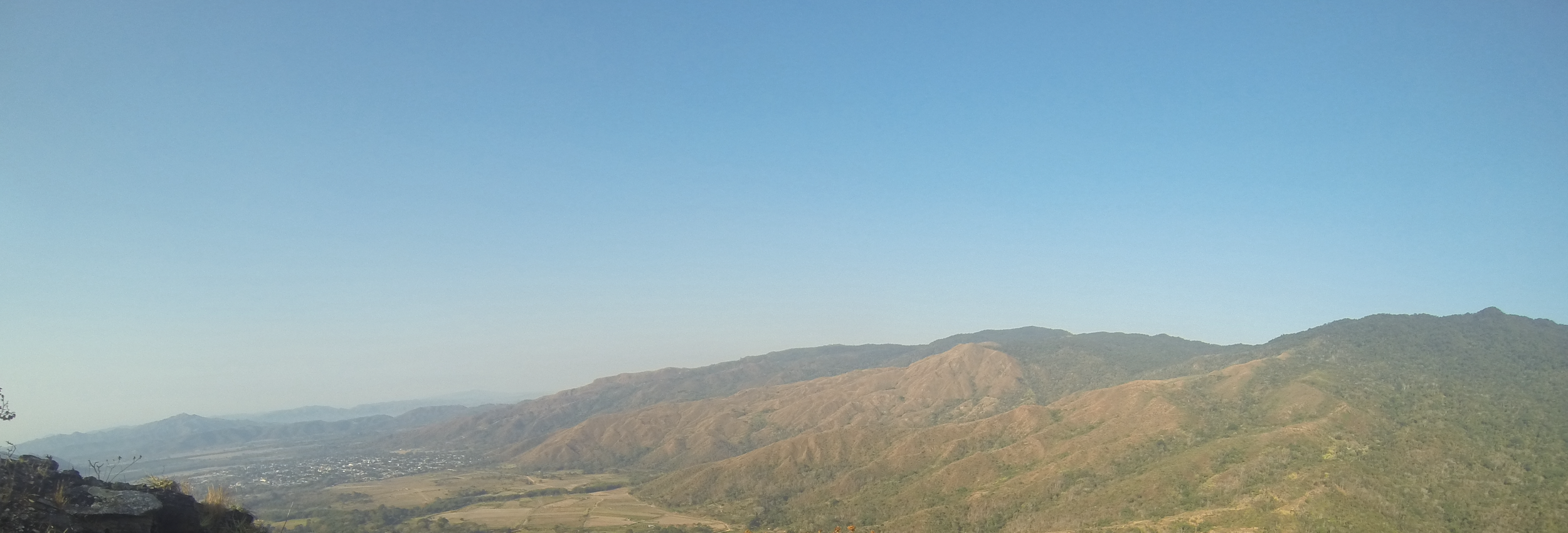
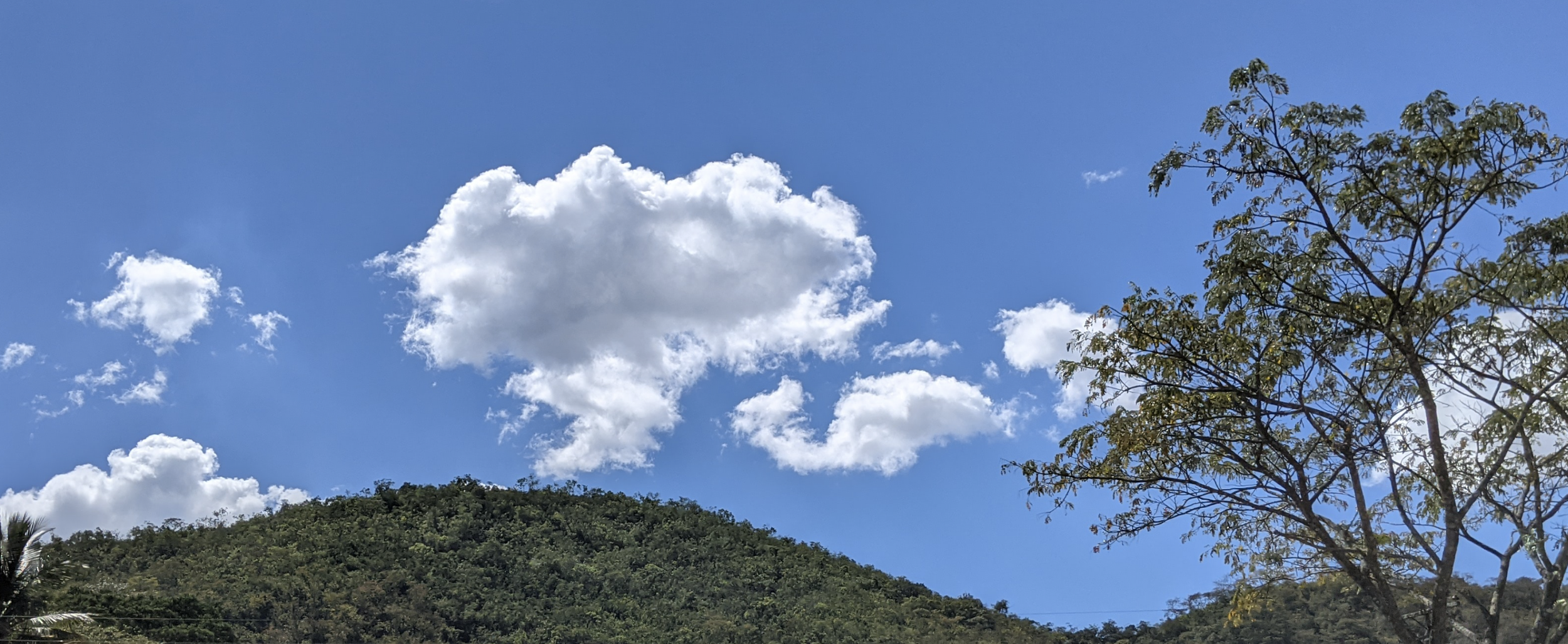
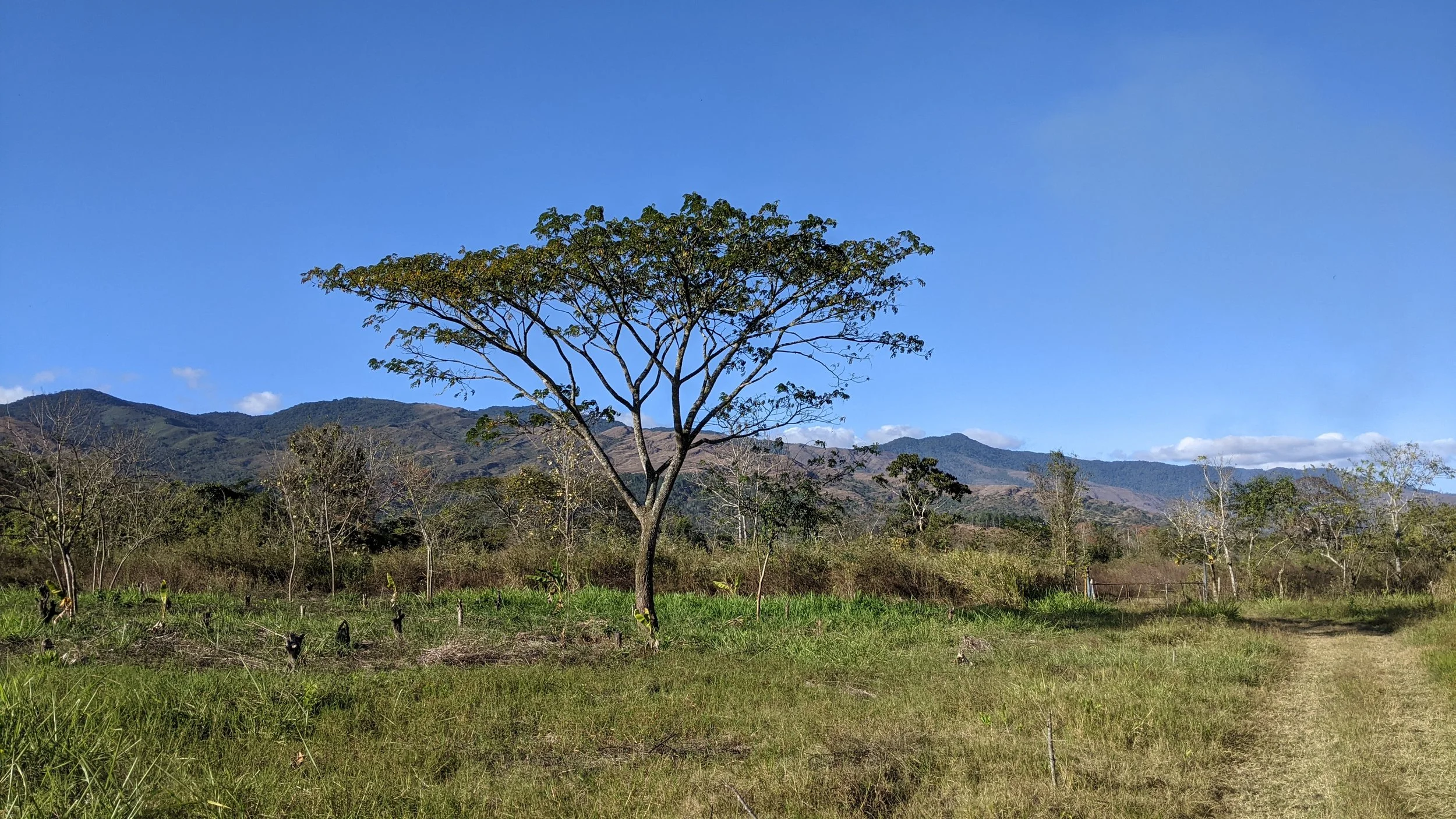
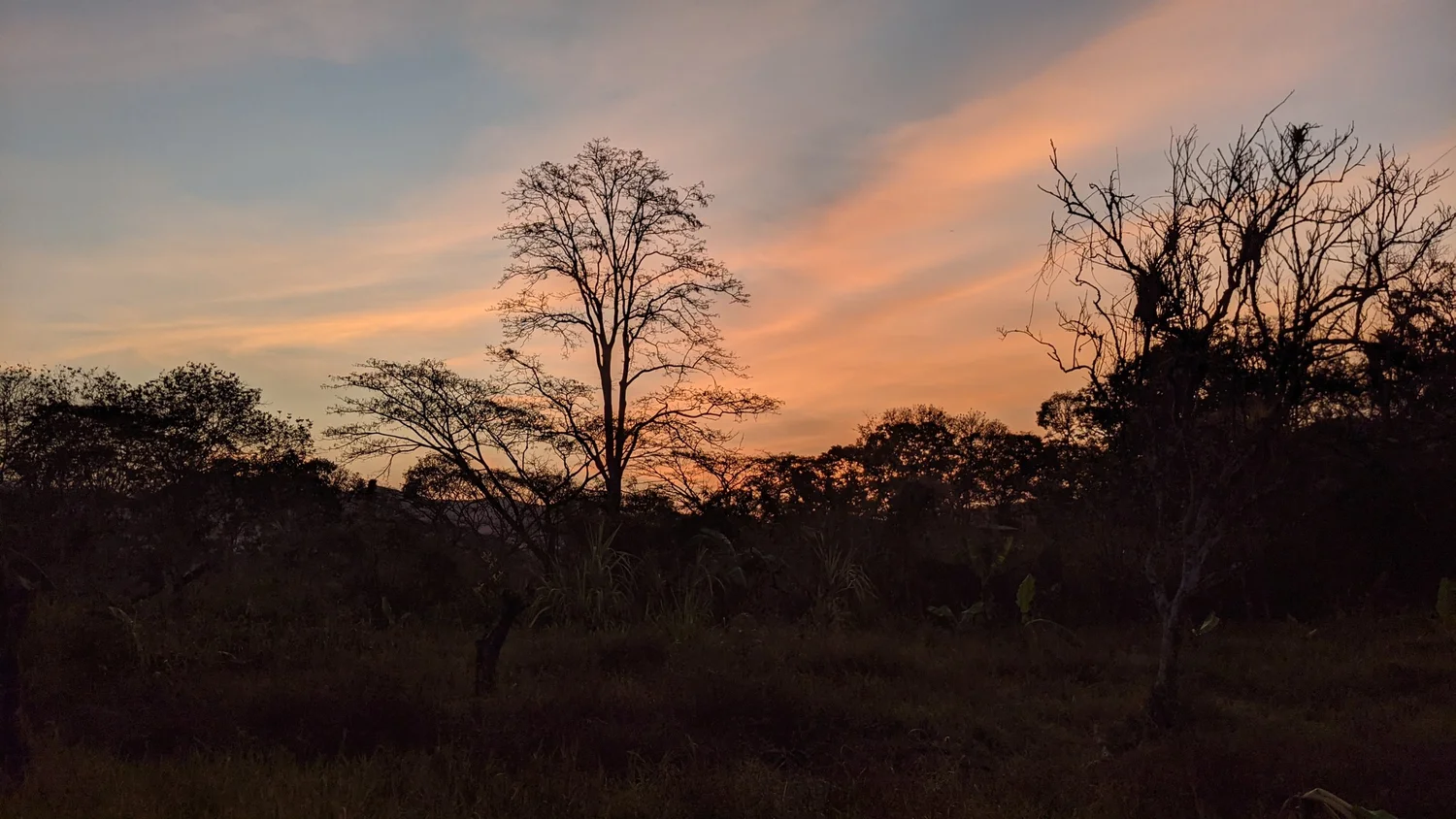
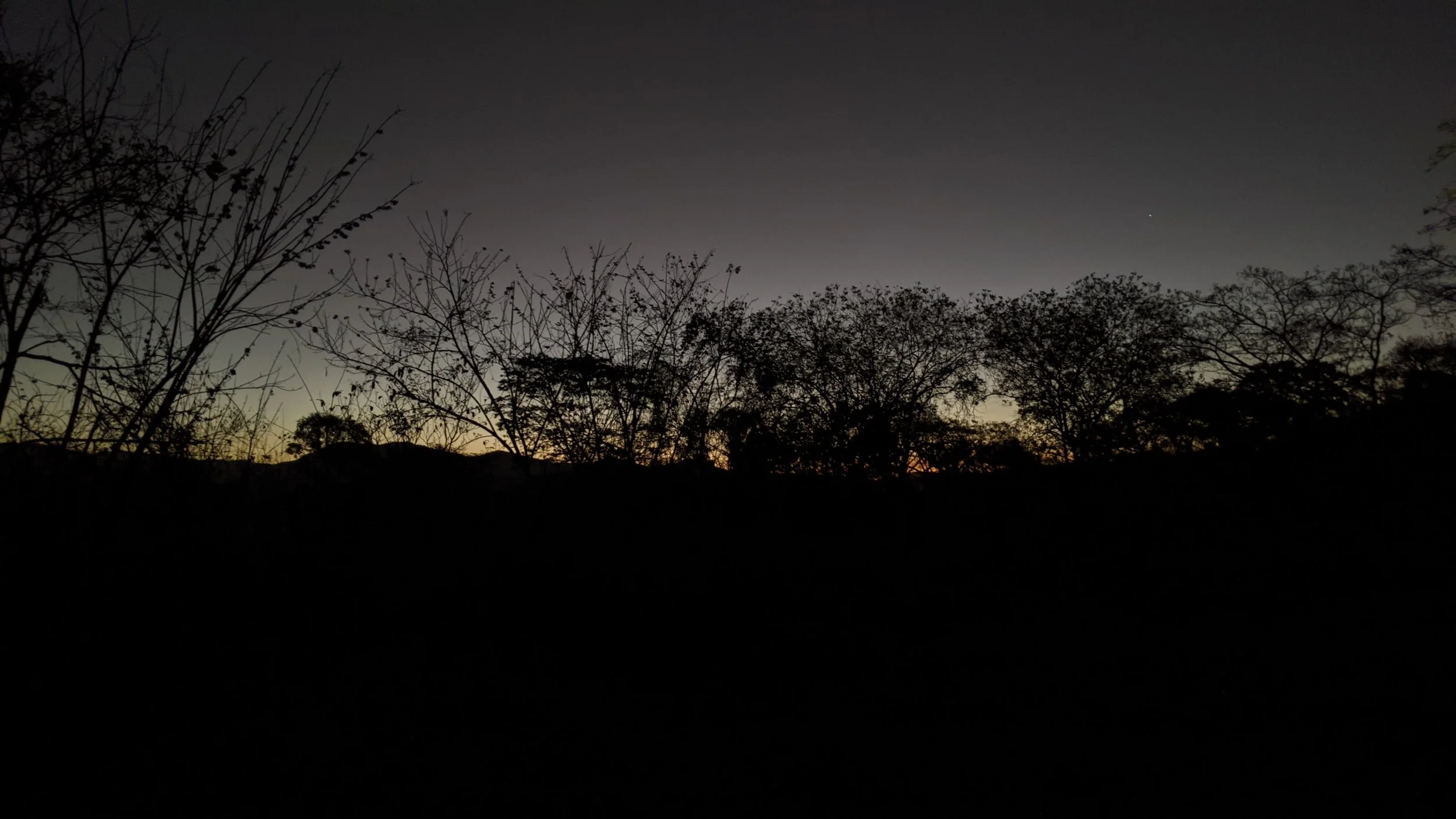
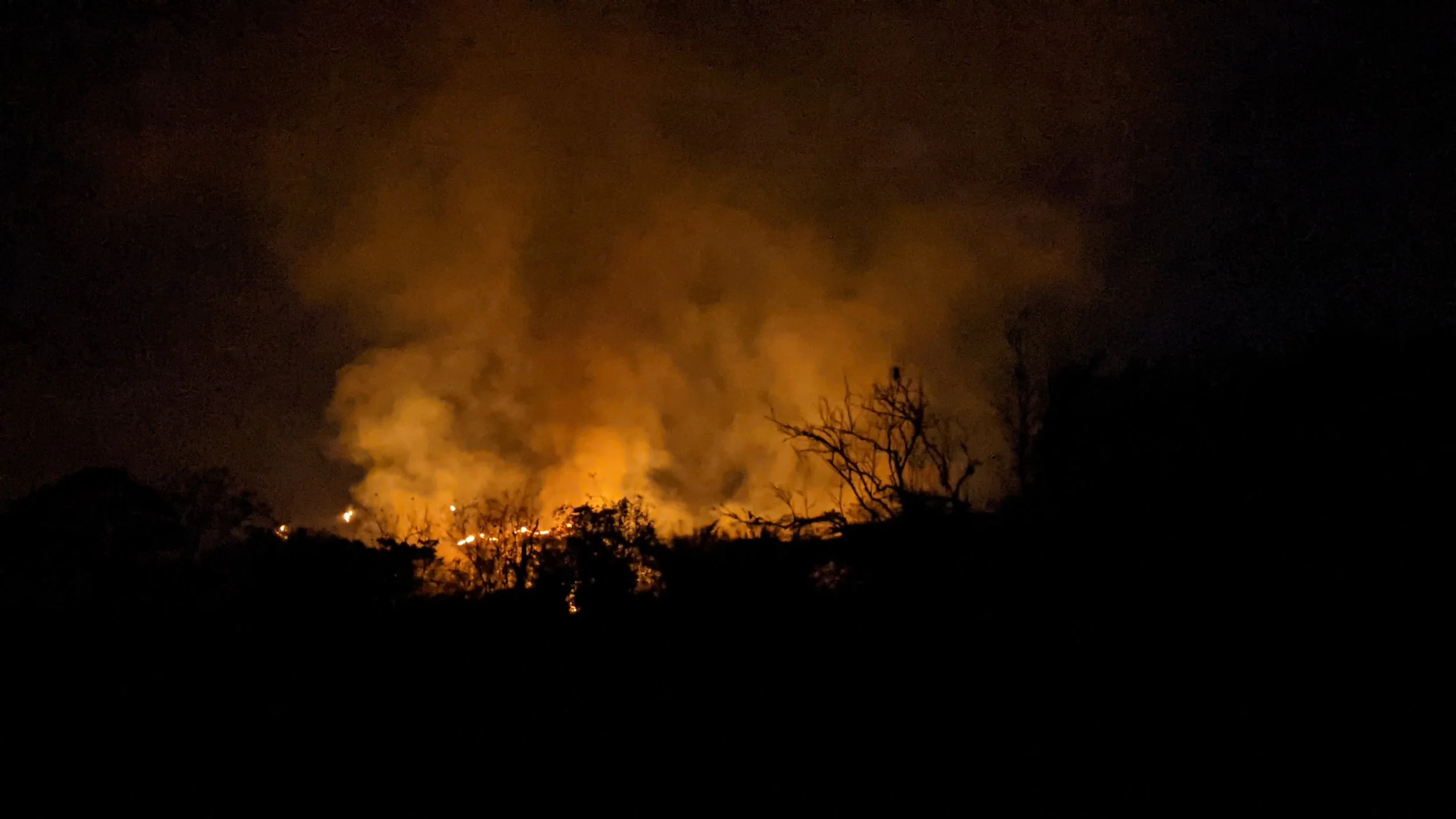
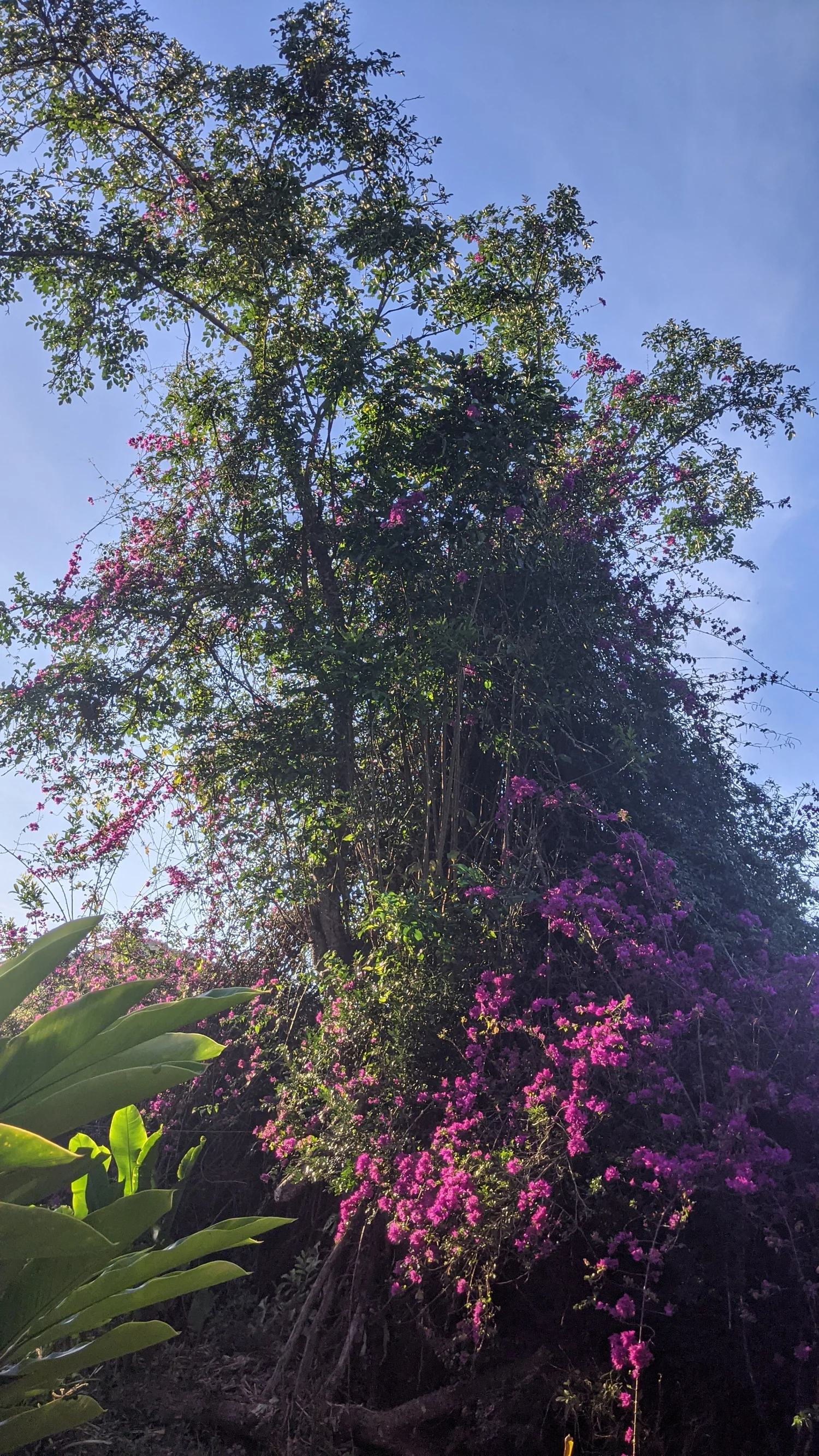
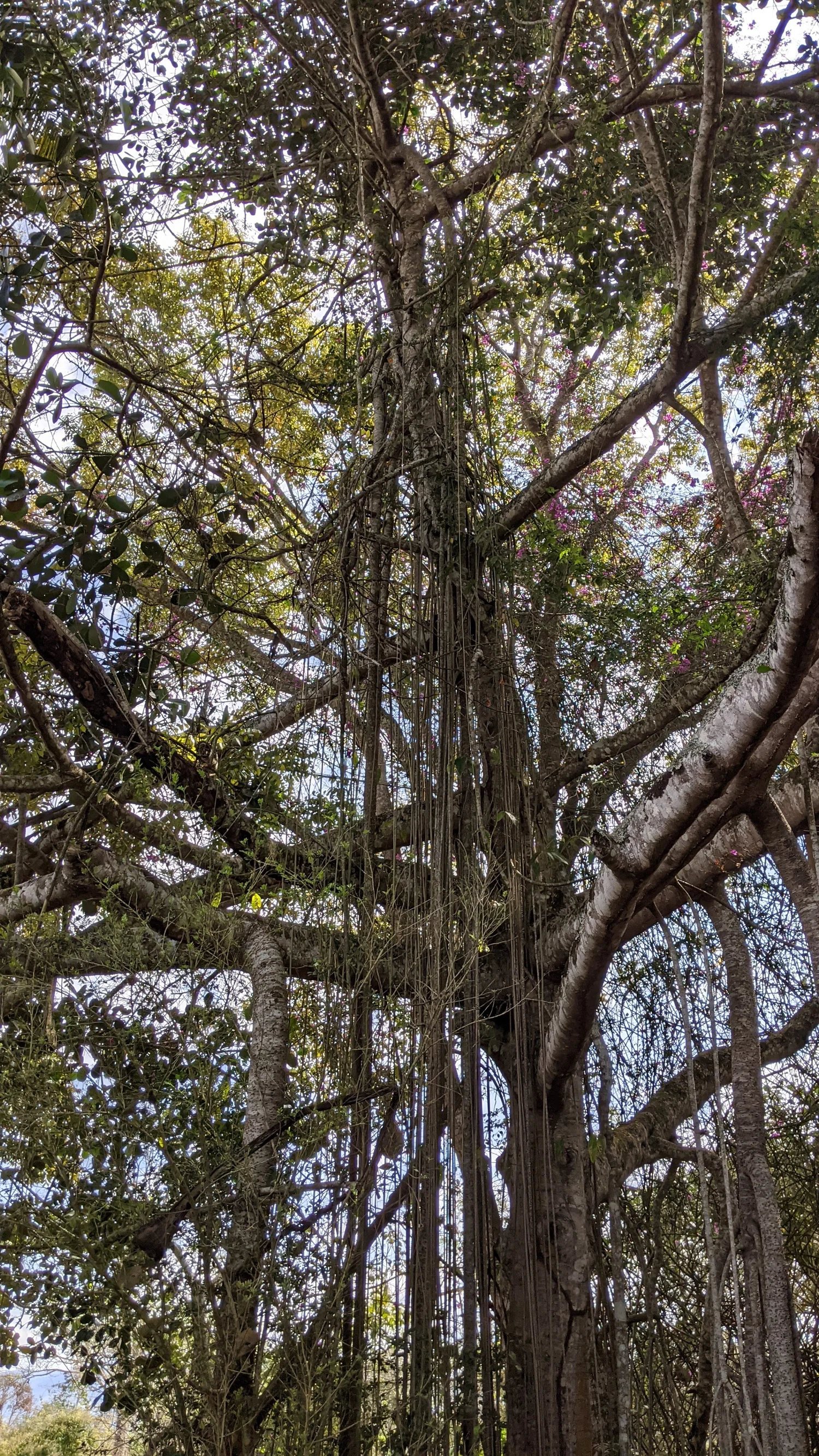
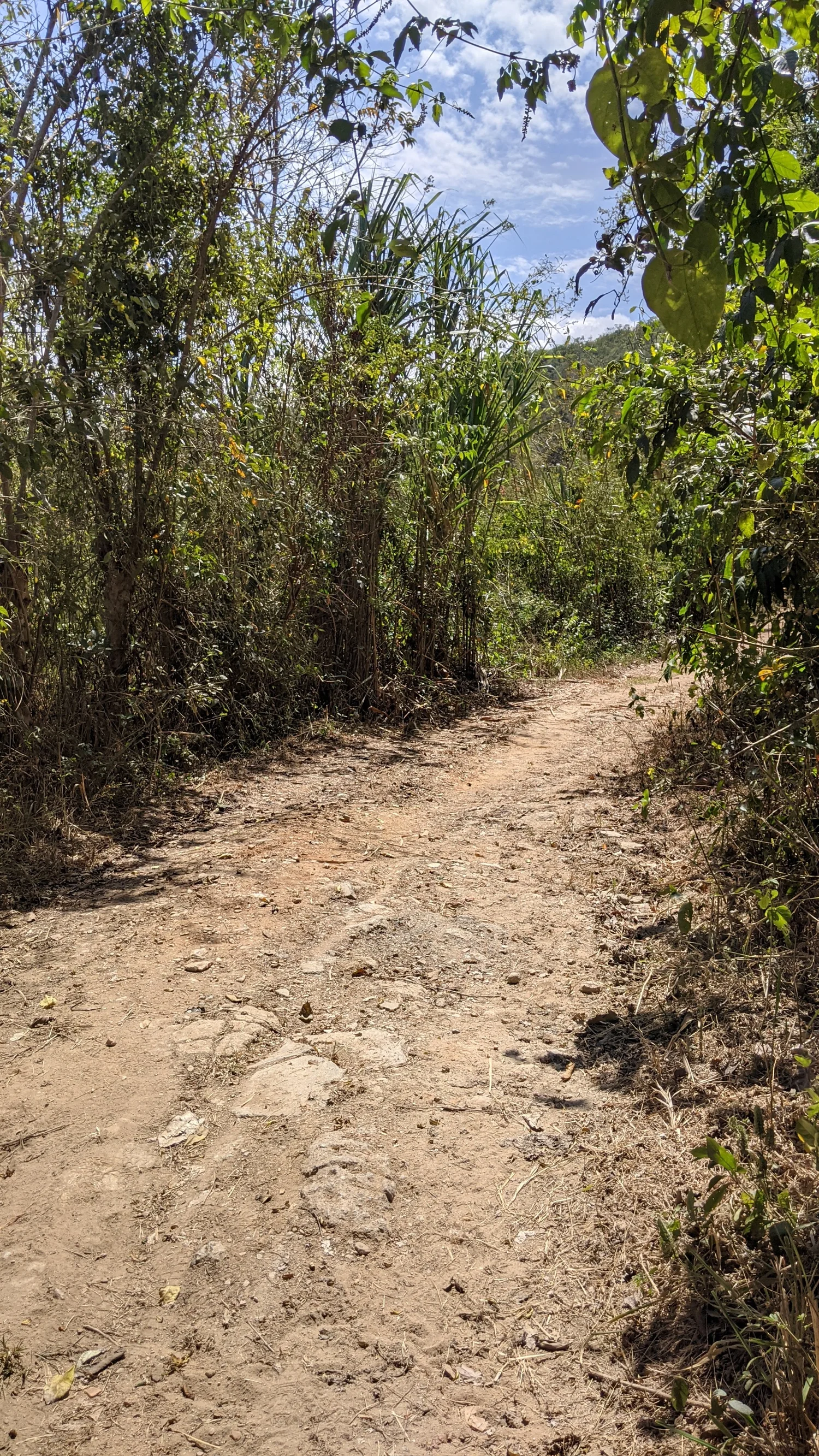
Desde Lejos — "From Afar" — is a series of generative digital paintings that explore memory and perception through the lens of physical and temporal distance. The work revisits places now part of a distant past: the lush landscapes of Montalbán, a small rural town in Carabobo, Venezuela, where I spent a substantial part of my life. Growing up on a farm, secluded in nature, surrounded by mountains and valleys and exposed to a continuous field of natural light and colour, I accumulated the scenes and sensations I now reconstruct through code.
What we remember is not an accurate depiction of what truly happened — yet these remnants of moments long gone are what shaped us. Rather than attempting restoration, I treat them as digital ruins: symbolic spaces for contemplation rather than recovery. The longing that drives this series is channelled reflectively, producing fragments that invite viewers to project their own memories onto an image that belongs, partially, to no one.
The primary pictorial references are Armando Reverón — Venezuelan pioneer of modernist landscape, celebrated for his capacity to render the atmosphere of coastal Macuto under direct tropical light — and Clyfford Still, whose fractured fields of color prefigure the kind of digital abstraction I am working toward. Reverón's influence is not technique but permission: the idea that a landscape can be dissolved into its atmospheric essence rather than its legible form.
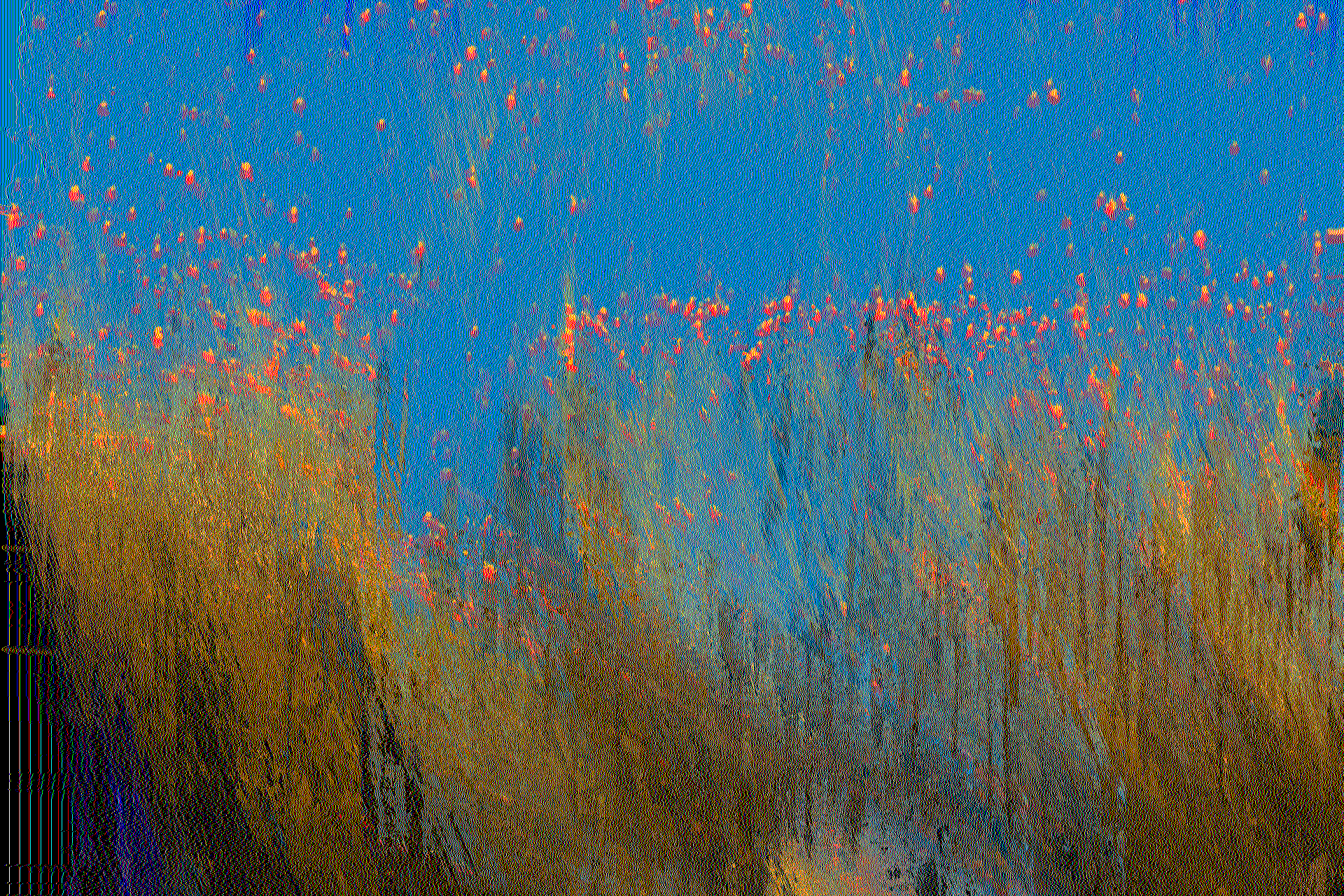
Desde Lejos, 2023. Generative output.
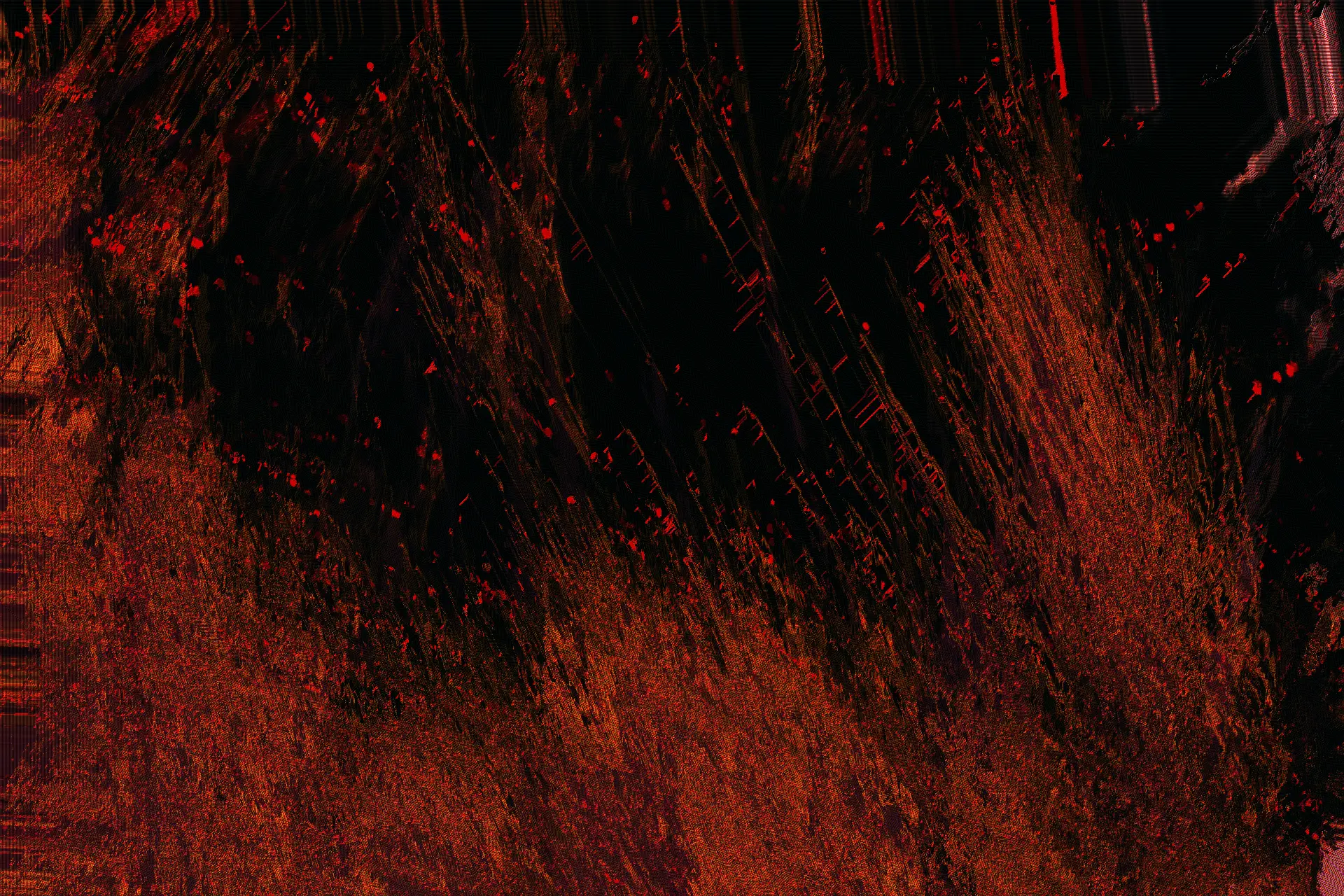
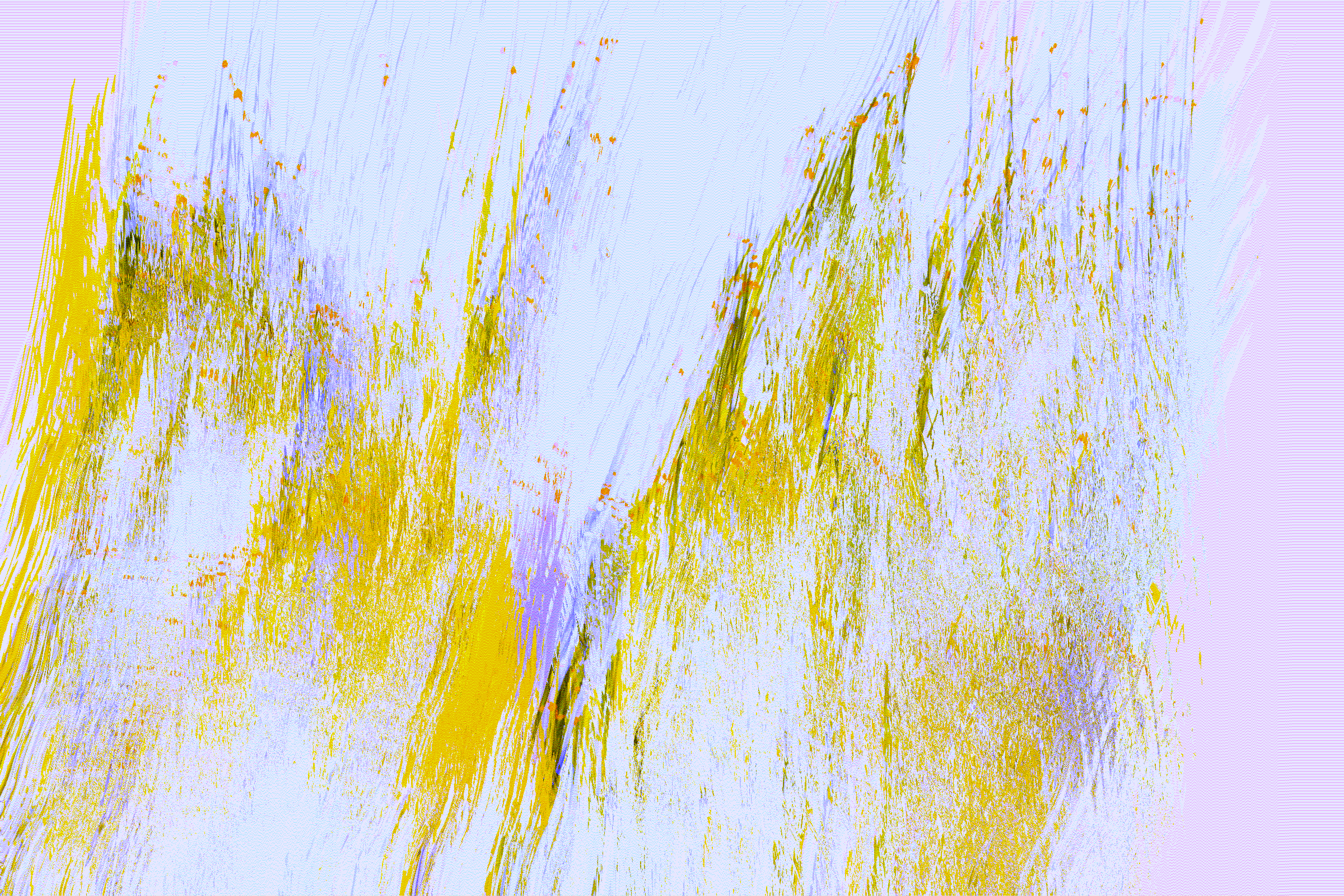
Desde Lejos, 2023. Generative outputs.
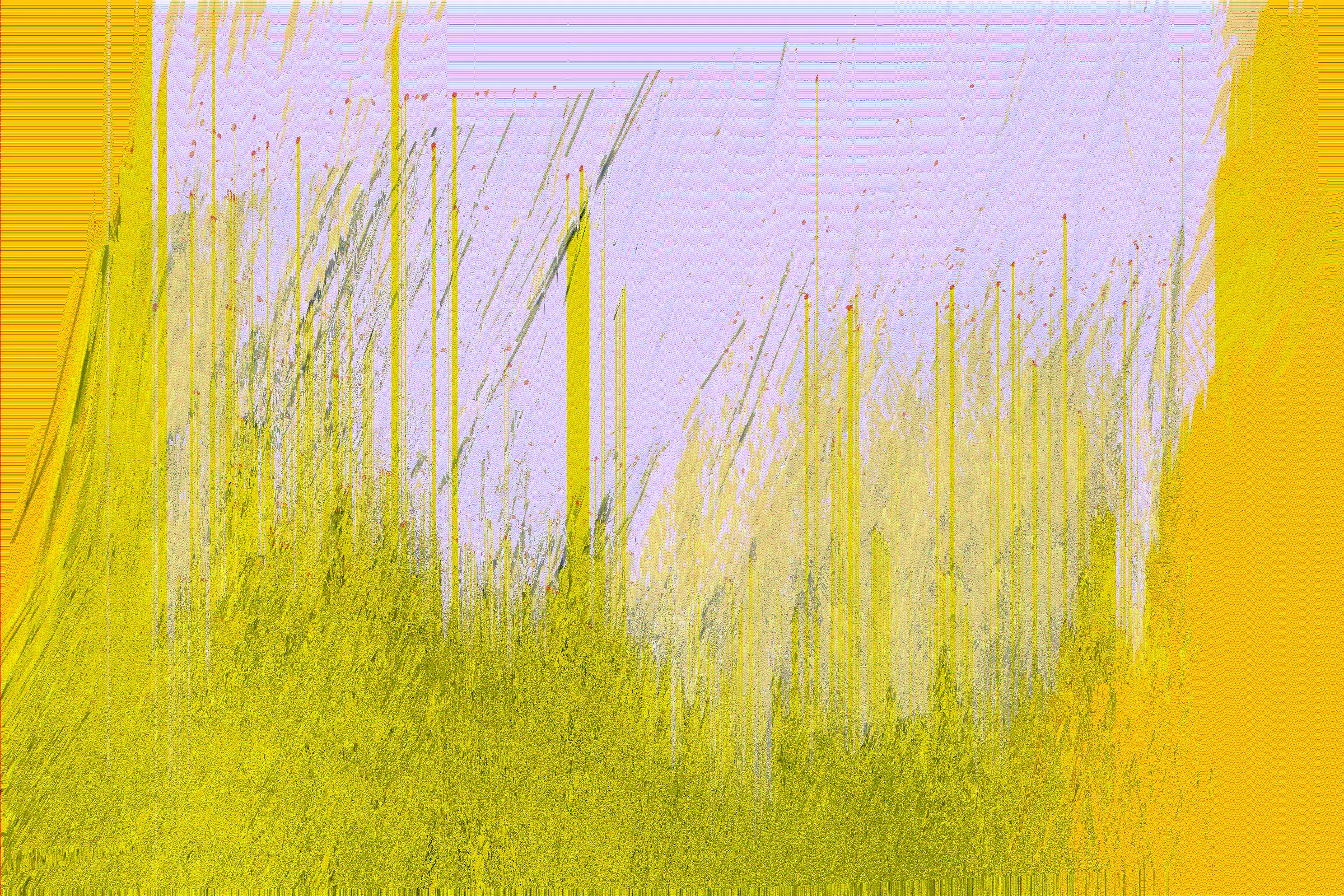
Desde Lejos, 2023. Generative output.
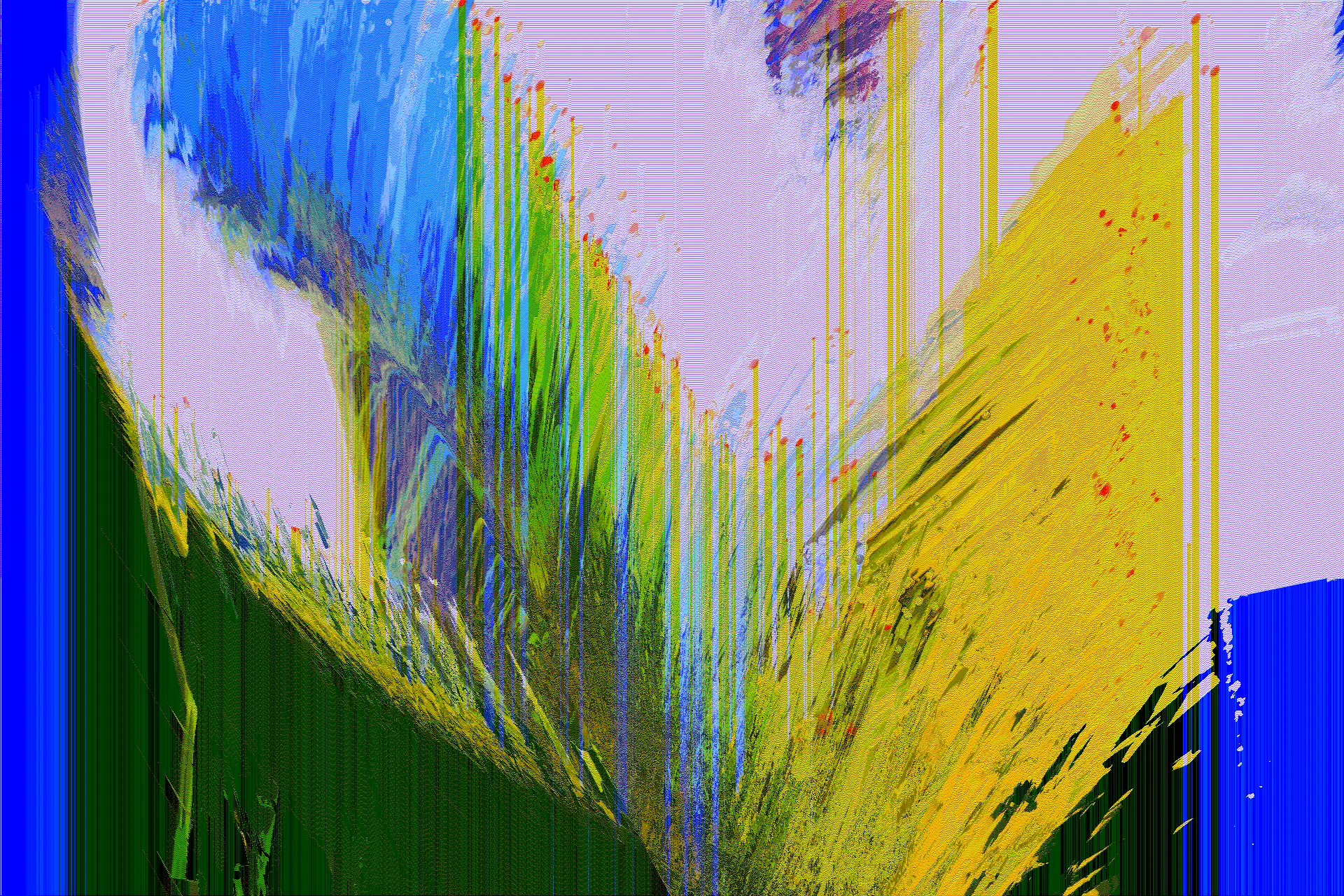
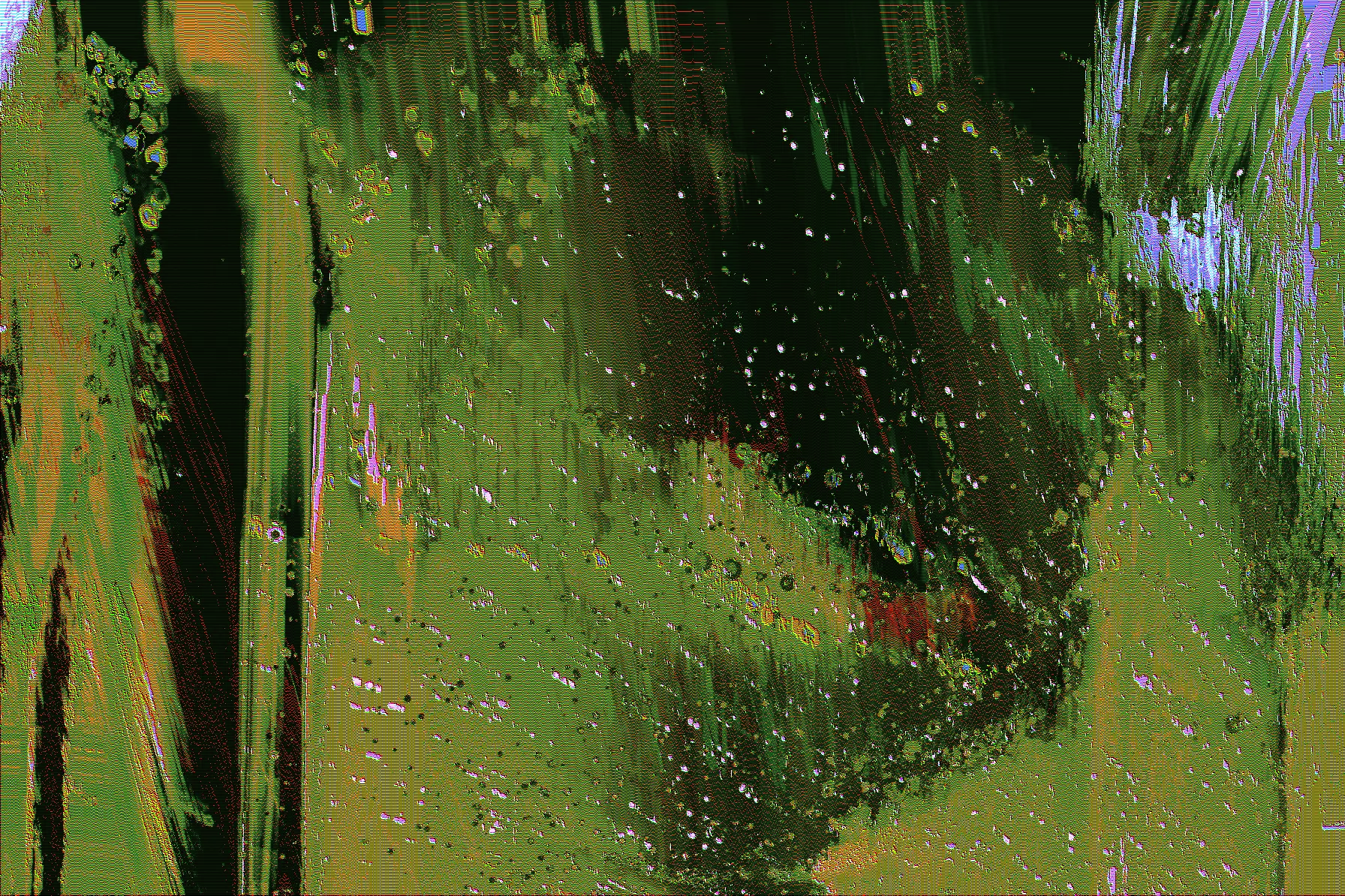
Desde Lejos, 2023. Generative outputs.
Process
The generative system is a particle engine built on Boids — Craig Reynolds' 1986 flocking algorithm, originally developed to simulate bird behavior. Each Boid is assigned a geometry (ellipse, rectangle, line, or triangle) and moves through the canvas according to the flocking rules, weaving together the composition as it goes. Three distinct shaders introduce visual distortion and displacement as particles draw, producing an organic, imprecise distribution of forms rather than mechanical repetition.
At the final rendering stage, CPU-based dithering — inspired by the Floyd-Steinberg error diffusion method — is applied across the composition. Each dithering style in the series uses a curated colour palette selected specifically for it; the main shapes cycle through RGB while the accent shapes use fixed colours, producing the series' characteristic tension between chromatic saturation and painterly texture. The dithering method here descends directly from THX-1, where the same technique was first developed to distort and de-smooth raw GAN outputs.
The result evokes a range of unintended comparisons — woven tapestry, Game Boy palettes, postcard photography — each of which fits the work's theme of images remembered at one remove from their origin.